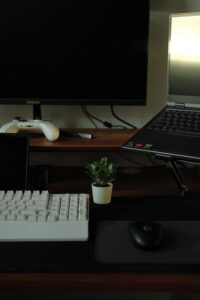

Creating a productive home office environment is essential for staying focused and motivated while working from home. Whether you’re a full-time remote worker or someone who occasionally brings work home, having a dedicated workspace that supports your best work can make a significant difference in your daily routine. In this post, we’ll explore key tips and strategies to help you build a home office that maximizes productivity while keeping comfort and organization top of mind.
Why a Productive Home Office Matters
A well-designed home office helps establish boundaries between your work and personal life. It can reduce distractions, improve your posture, and promote better work habits. Without an effective workspace, it’s easy to feel overwhelmed, distracted, or unmotivated—challenges many face when working from home.
Choosing the Right Location
Consider Natural Light and Noise Levels
Selecting the right spot in your home is the first step. Ideally, choose a quiet area with plenty of natural light. Natural light boosts mood and energy levels, making it easier to stay alert throughout the day. Avoid spaces with loud noises or distractions, such as near a television or busy family rooms.
Separate Workspace From Living Areas
If possible, create a workspace that’s separate from where you relax or eat. This helps your brain associate the space with work, improving focus and allowing you to switch off mentally when the workday ends.
Essential Furniture and Ergonomics
Invest in a Comfortable Chair
An ergonomic chair with good lumbar support is a worthwhile investment. Sitting for long hours without proper support can cause back pain and reduce productivity.
Choose a Suitable Desk
Pick a desk that offers enough space for your computer, documents, and other tools. If space allows, a desk with adjustable height can let you alternate between sitting and standing, which can be beneficial for comfort and health.
Pay Attention to Screen Height and Distance
Position your monitor at eye level, about an arm’s length away, to reduce strain on your neck and eyes.
Organizing Your Workspace
Declutter Regularly
Keep your desk tidy and free of unnecessary items. A clutter-free space promotes clarity and helps minimize distractions.
Use Storage Solutions
Utilize drawers, shelves, or filing cabinets to organize documents and supplies. Label containers for easy identification.
Manage Cables and Wires
Use cable organizers or clips to keep cords neat and out of the way, reducing the risk of tangles or accidents.
Setting Boundaries and Routine
Create a Work Schedule
Even if your home office is flexible, maintaining consistent work hours helps you stay productive and signals to others when you’re “on the clock.”
Communicate Boundaries to Others
If you live with family or roommates, communicate your working hours and the importance of minimizing interruptions.
Take Scheduled Breaks
Incorporate short breaks to stand, stretch, or take a walk. This helps maintain energy levels and reduces fatigue.
Improving Lighting and Ambiance
Combine Natural and Artificial Lighting
Supplement natural light with adjustable desk lamps or overhead lighting to avoid eye strain during early mornings or late evenings.
Personalize Your Space
Add plants, artwork, or personal items that make the space inviting without causing distractions. Plants can especially improve air quality and provide a calming effect.
Technology and Tools
Reliable Internet Connection
Ensure you have a strong, stable internet connection to avoid disruptions during calls or research.
Use Noise-Canceling Headphones
If background noise is an issue, noise-canceling headphones can help maintain concentration.
Choose the Right Software
Use productivity apps, calendar tools, and communication platforms that suit your workflow and keep tasks organized.
Maintaining Health and Wellness
Set Up for Good Posture
Pay attention to your seating and keyboard placement to avoid repetitive strain.
Keep Hydrated and Nourished
Keep a water bottle nearby and make time for healthy snacks to sustain energy.
Incorporate Movement
Take time for short exercises or stretches during breaks to reduce stiffness.
Final Thoughts
Creating a productive home office environment involves thoughtful planning of your space, furniture, lighting, and daily habits. By designing a space that supports both comfort and focus, you can enhance your productivity and enjoy your work-from-home experience more fully. Remember, the best home office is one that fits your unique needs and helps you maintain balance throughout your day.