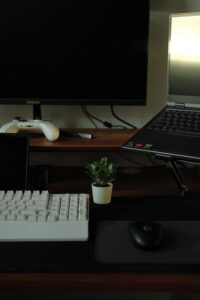

Creating a home office that feels cozy and encourages productivity can greatly improve your work-from-home experience. Whether you have a dedicated room or a small corner, setting up a space that balances comfort and function is key. In this post, we’ll explore practical tips and ideas to help you design a home office that you’ll enjoy spending time in—so you can stay focused and feel good while working.
Choose the Right Location
Consider Natural Light
Natural light has a positive impact on mood and energy levels. If possible, place your desk near a window where you can enjoy daylight without glare on your computer screen. If natural light is limited, invest in quality artificial lighting that mimics daylight.
Minimize Distractions
Find a quiet spot in your home where noise and foot traffic are minimal. This can improve concentration and productivity. If you don’t have a separate room, consider using room dividers or noise-canceling headphones.
Focus on Comfort
Invest in a Good Chair
An ergonomic chair supports your posture and reduces back pain, which can improve focus. Look for adjustable height, lumbar support, and comfortable cushioning.
Select a Suitable Desk
Choose a desk size that fits your needs and space. If you tend to work standing sometimes, try a height-adjustable desk. A clutter-free desk surface helps keep your mind clear.
Organize Your Space Efficiently
Use Smart Storage Solutions
Shelves, drawers, and organizers keep supplies and documents within reach but out of sight. Keeping things tidy prevents distractions and saves time searching for items.
Keep Cords Managed
Use cable clips, sleeves, or under-desk trays to keep wires organized. A neat setup reduces frustration and creates a cleaner look.
Personalize Your Workspace
Add Personal Touches
Including items like photos, artwork, or plants can make your office space inviting and motivating. Choose elements that inspire you without overpowering the workspace.
Choose Calming Colors
Colors affect mood. Soft blues, greens, or neutral tones tend to be relaxing and help reduce stress. You can incorporate these colors through wall paint, accessories, or furniture.
Optimize Technology and Tools
Use the Right Equipment
Ensure your computer, monitor, keyboard, and other tools meet your work requirements. Comfortable and reliable equipment reduces frustration and enhances efficiency.
Keep Software Updated
Regular updates improve security and functionality, allowing you to work smoothly without interruptions.
Take Breaks and Move Around
Sitting for long hours is tough on your body and mind. Schedule short breaks to stretch, walk, or do simple exercises. This helps maintain energy and creativity.
Maintain a Consistent Routine
Set work hours and stick to them. Knowing when the workday starts and ends helps create boundaries and balance between your professional and personal life.
—
Designing a home office that is both cozy and productive is about finding the right balance between comfort, organization, and functionality. By carefully considering your space, lighting, furniture, and personal touches, you can create an environment that supports your work and well-being every day. Remember, even small changes can make a big difference in how you feel and perform in your home office.