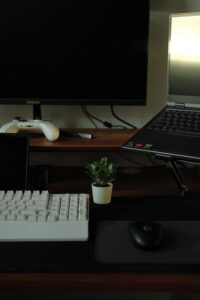

Creating a relaxing home workspace is essential for anyone looking to boost productivity while maintaining comfort throughout the workday. Whether you work remotely full-time or need a dedicated spot for occasional tasks, your environment plays a huge role in how effectively and happily you work. In this post, we’ll explore simple yet effective tips to transform your home workspace into a refreshing and productive area.
Why a Relaxing Workspace Matters
A workspace that feels calm and comfortable not only reduces stress but also helps improve focus and creativity. When clutter and distractions are minimized, your mind can stay on task, leading to better work quality and efficiency. Plus, creating a space you enjoy spending time in can make the workday more pleasant.
Choosing the Right Location
Consider Natural Light
Whenever possible, select a spot near a window. Natural light boosts mood and alertness and reduces eye strain. Position your desk to take advantage of daylight without causing screen glare.
Minimize Noise
Look for a quiet corner or room where interruptions are minimal. If noise is unavoidable, consider noise-canceling headphones or soft background music to create a buffer from distractions.
Invest in Ergonomic Furniture
Comfort is key to staying productive. An ergonomic chair with good lumbar support prevents back pain, while an adjustable desk can help you alternate between sitting and standing. Make sure your monitor is at eye level to avoid neck strain, and keep your keyboard and mouse within easy reach.
Organize for Efficiency
Declutter Regularly
A cluttered desk can lead to a cluttered mind. Keep only the essentials on your workspace and store other items in drawers or shelves to maintain a clean environment.
Use Storage Solutions
Desk organizers, filing cabinets, and shelves help keep papers and supplies tidy and accessible. Labeling storage containers can save time when searching for materials.
Personalize Your Space
Add personal touches to make your workspace inviting. A few framed photos, a favorite plant, or artwork can increase your sense of comfort and make the space uniquely yours. However, avoid over-decorating; too many items can become distracting.
Incorporate Calming Elements
Greenery
Plants not only brighten the room but can improve air quality and reduce stress. Choose low-maintenance plants like succulents or spider plants for easy care.
Soothing Colors
Soft, neutral colors such as light blues, greens, or greys create a peaceful atmosphere. If repainting isn’t an option, accessories in these colors can help achieve the same effect.
Manage Lighting and Screen Settings
Good lighting is crucial to reduce eye strain. Use adjustable lamps with warm light instead of harsh overhead fluorescents. Additionally, adjust your computer’s brightness and contrast settings, and use blue light filters to protect your eyes.
Take Breaks and Move
No matter how comfortable your workspace, sitting too long can be harmful. Schedule short breaks to stretch, walk, or do simple exercises. These breaks refresh your mind and body, helping you return to work with renewed focus.
Use Technology Wisely
Select tools and apps that streamline your workflow. However, avoid overloading your workspace with too many gadgets, which can increase distraction. Keep cables organized to avoid a tangled mess.
Maintain a Consistent Routine
A relaxing workspace is most effective when paired with a steady work routine. Set specific work hours, and stick to them to separate work life from home life, helping to reduce stress.
Final Thoughts
Designing a relaxing home workspace involves a balance of comfort, organization, and personal expression. By choosing the right location, investing in ergonomic furniture, minimizing clutter, and adding calming elements, you can create an environment that supports both your well-being and productivity. Small changes can make a big difference in how you feel and perform during your workday.
Start with one or two tips today, and gradually build a workspace that helps you thrive every time you sit down to work.